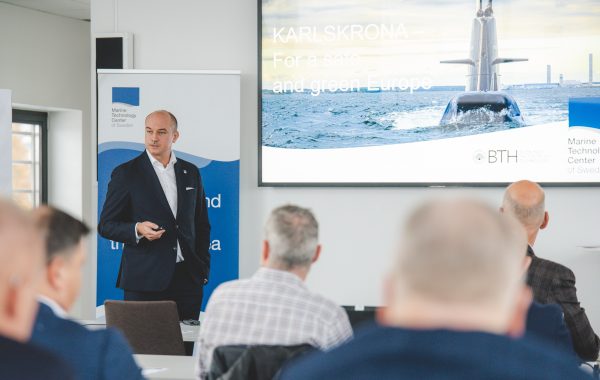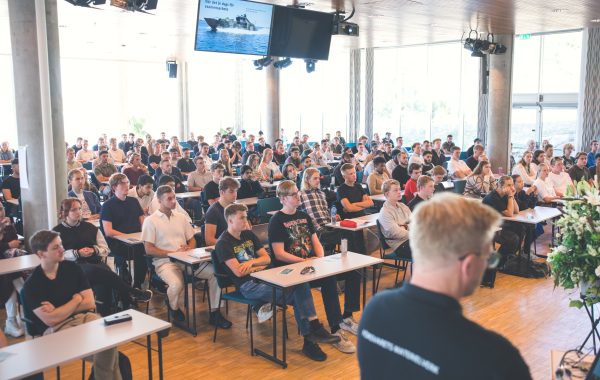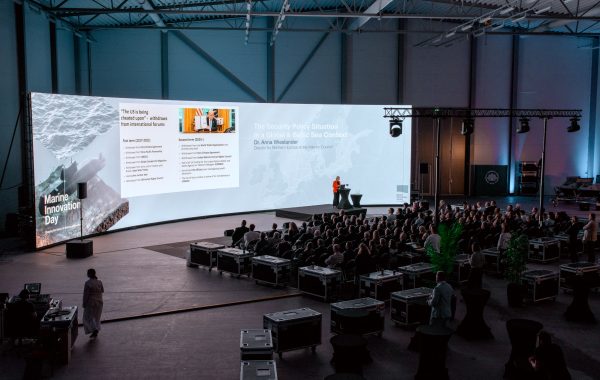
Four student teams from Blekinge Institute of Technology have spent the autumn working on solving acute challenges linked to the defence technology of the future. In the final of the MTC Student Challenge by FMV, they presented their solutions to an audience consisting of representatives from authorities, industry and academia. The initiative is backed by MTC, in collaboration with FMV Test & Evaluation and BTH.
Final with breadth, depth and curiosity
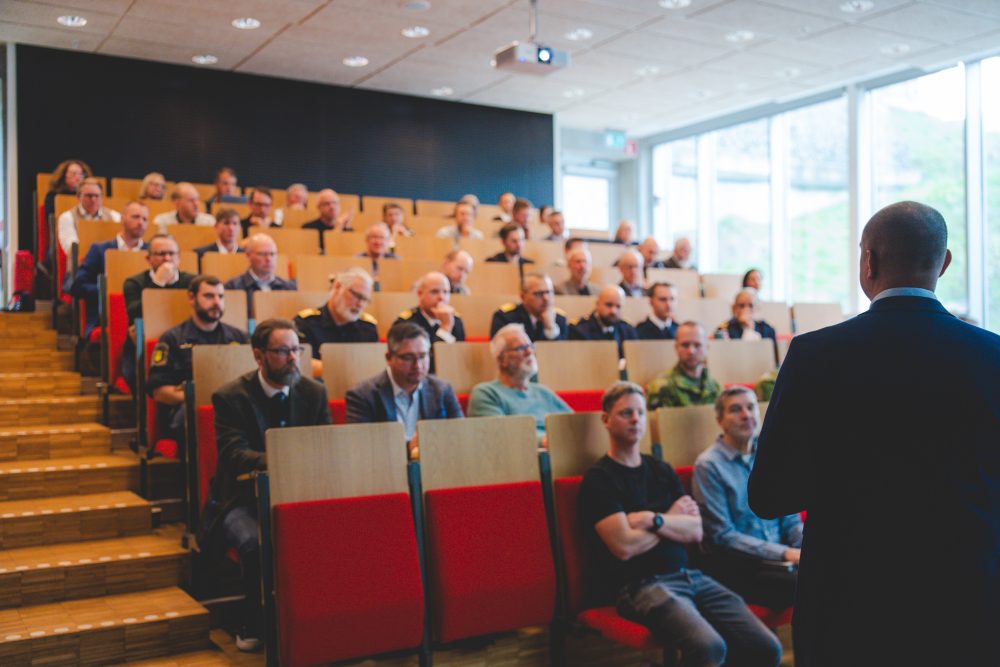
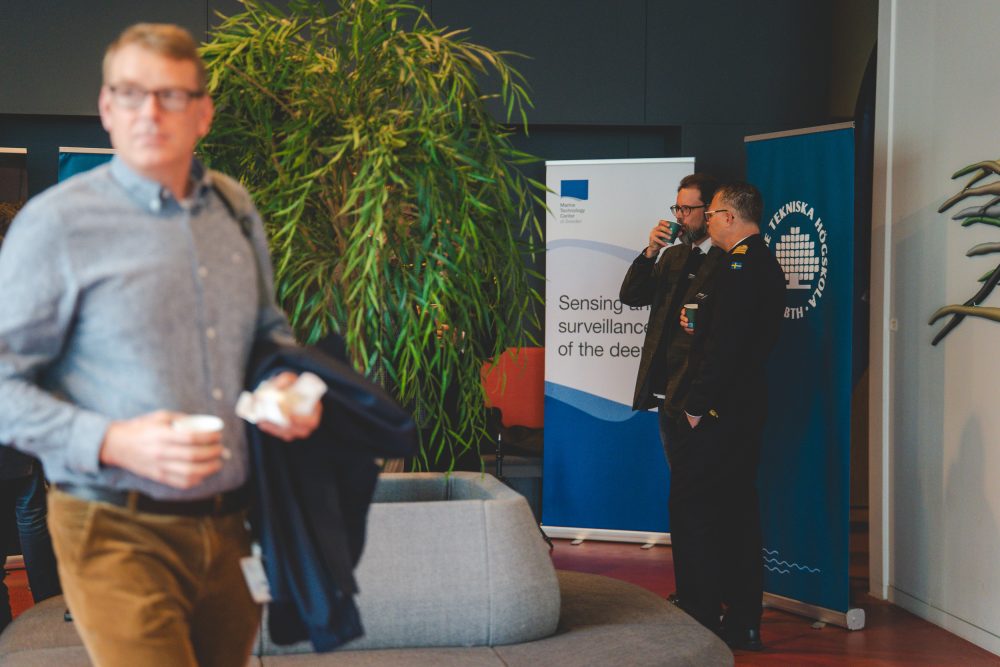
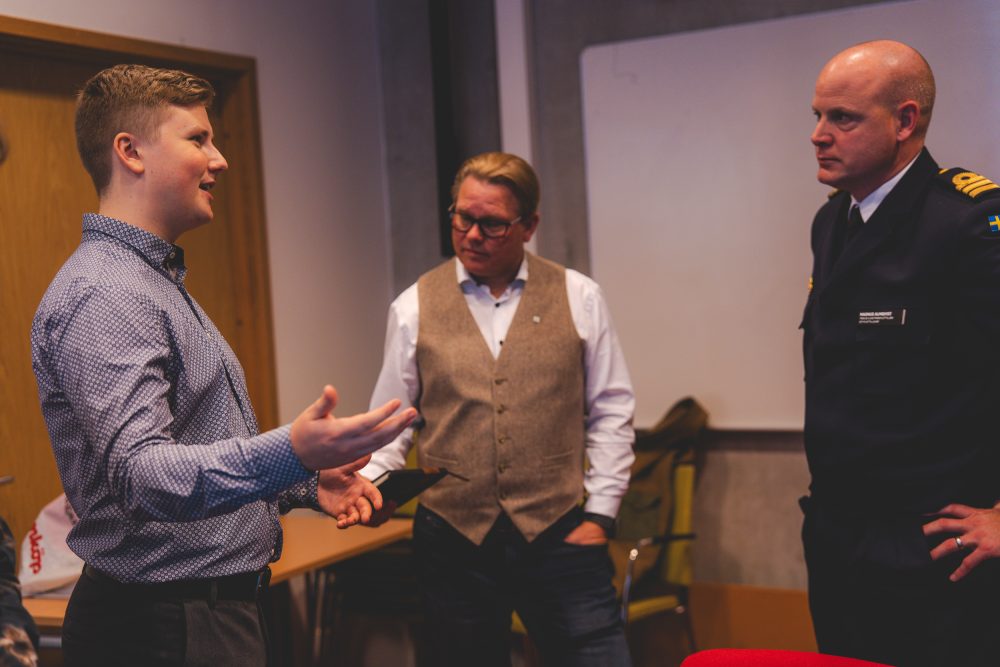
On Friday, November 14, this year’s edition of the MTC Student Challenge by FMV concluded at Blekinge Institute of Technology, Campus Gräsvik. During the morning, four student teams presented their technical solutions to a broad audience consisting of representatives from, among others, FMV, the Swedish Armed Forces, Saab, the Swedish Coast Guard, KebNi, Affärsverken, BBI, Embedded Art, Blue Science Park and BTH.
A total of approximately 60 people participated, and the commitment was great – both during the presentations and in the subsequent demo where the guests got to test the technology, talk to the teams and delve into the solutions.
What is the MTC Student Challenge?
The MTC Student Challenge is an annual concept created and run by us at the Marine Technology Center of Sweden (MTC), where students get to work with acute technology challenges within the marine sphere. The format is flexible and adapted to the year’s collaboration partner. This year’s edition – MTC Student Challenge by FMV – was carried out together with FMV Test & Evaluation, which contributed four concrete challenges and expert support along the way.
MTC was responsible for project management, coordination and financing of project grants – two teams were awarded SEK 75,000, and two teams SEK 50,000 – which created both a framework and resources for focused development work. The work has covered the entire process: from designing the challenge format and pre-sales to selecting teams, planning pitch and information meetings, ongoing communication and support throughout the project period.
BTH has played a central role as both an academic base and enabler. In addition to hosting the final, BTH has provided lab environments, workshops, materials and technical equipment – which has made it possible for the students to build and test their prototypes in practice.
The challenge creates in-depth learning, in an environment that resembles reality more than the classroom. Students get to run their own projects, work in teams and meet requirements, deadlines and communication with real clients.
This year’s journey – four different answers to complex problems
The journey began back in April, when over 15 ideas were presented by 10 different student teams to a jury consisting of representatives from MTC, FMV and BTH. Four teams were selected to proceed in the challenge, and in May – during Marine Innovation Day – they were awarded their project grants.
That became the official starting point for the autumn’s development work. With the support of guidance, technology resources and ongoing contact with clients, the teams have had the opportunity to explore and further develop their ideas. Some teams have come a long way with their technical solutions, others have struggled with challenges – just as it often looks in real innovation development. For MTC and our collaboration partners, it is precisely this that is valuable: to create an environment where it is allowed to test, fail, rethink – and ultimately build both knowledge and innovation capacity.
In addition to the technical support, all teams also took part in a workshop with Blekinge Business Incubator (BBI), where the focus was on entrepreneurship and the opportunity to transform the ideas into commercial solutions. The purpose was to give the students new perspectives on business models, company formation and what resources are available to take the next step – if the will is there.
Read more about the scholarship award here.
The four solutions
VAKA – Mobile-based detection of loitering munitions
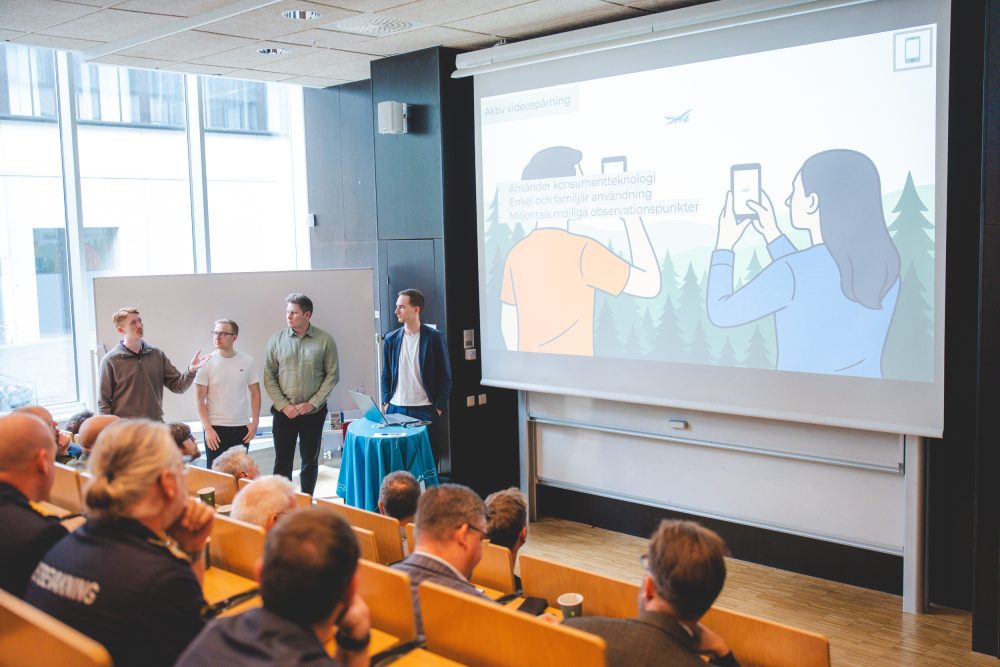
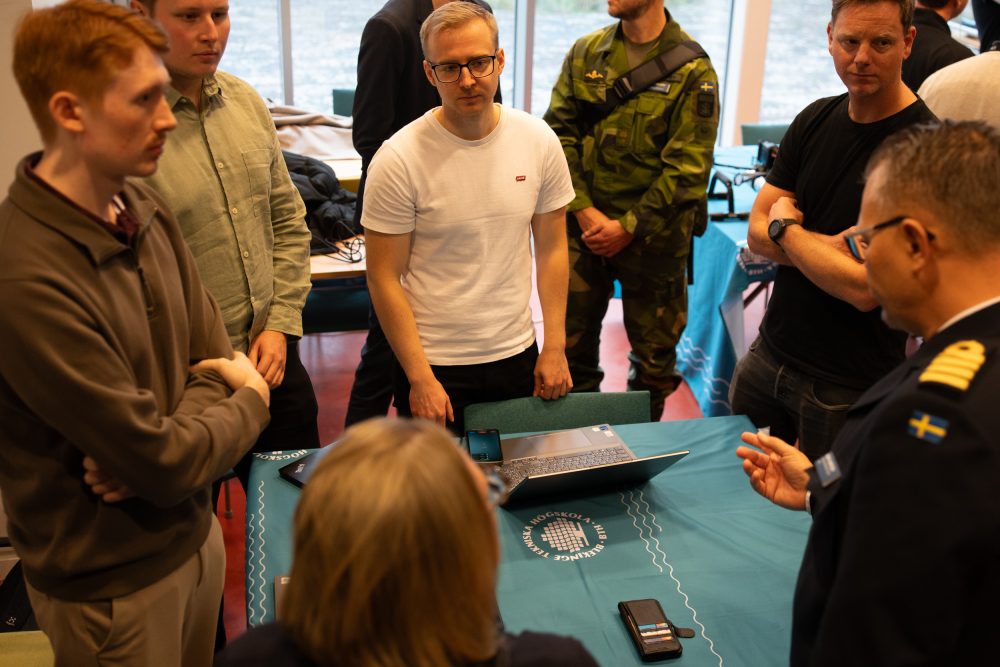

A scalable sensor system that uses mobile phones, cameras and microphones to detect drone threats in real time. The system is modular, based on open technology and requires no new infrastructure – perfect for distributed warning and civil defence.
Participants: Albin Persson, Albert Herbst, Birk Brunell, Erik Rundberg
Skarven – Autonomous drone combat with physical collision
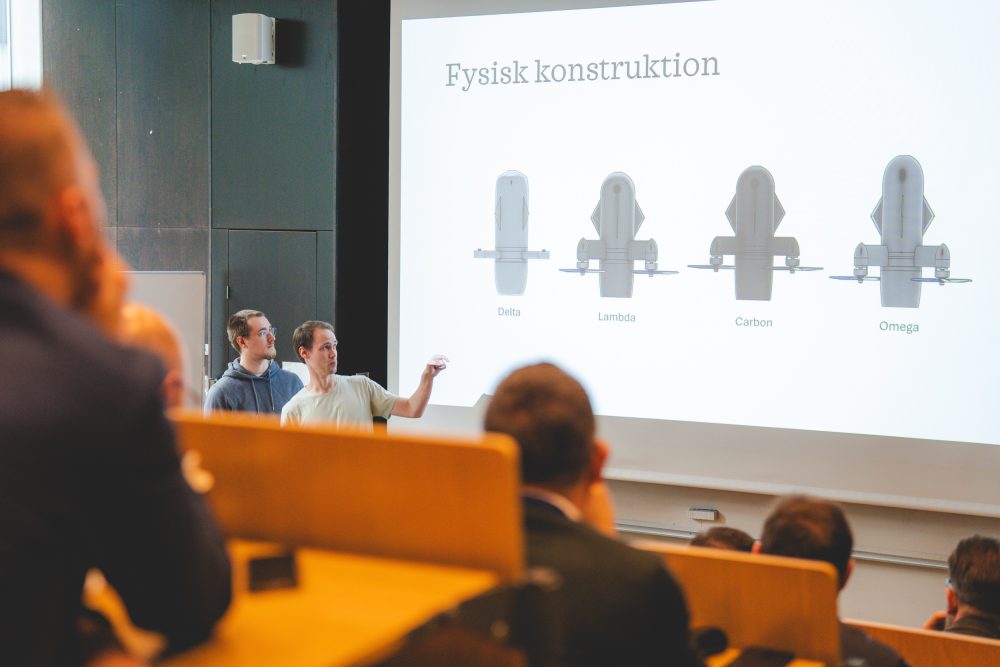
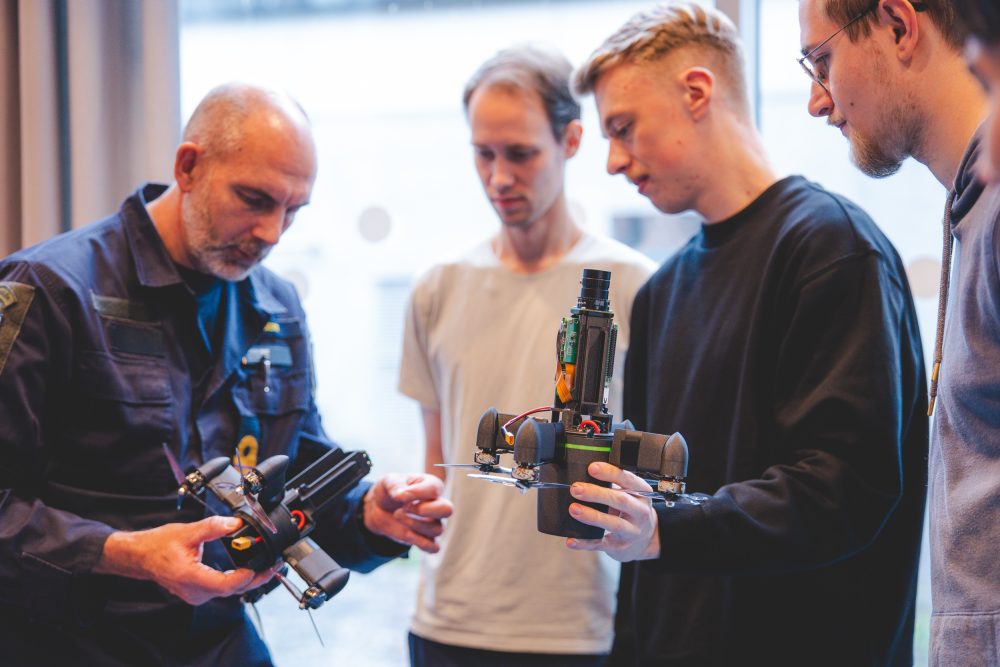
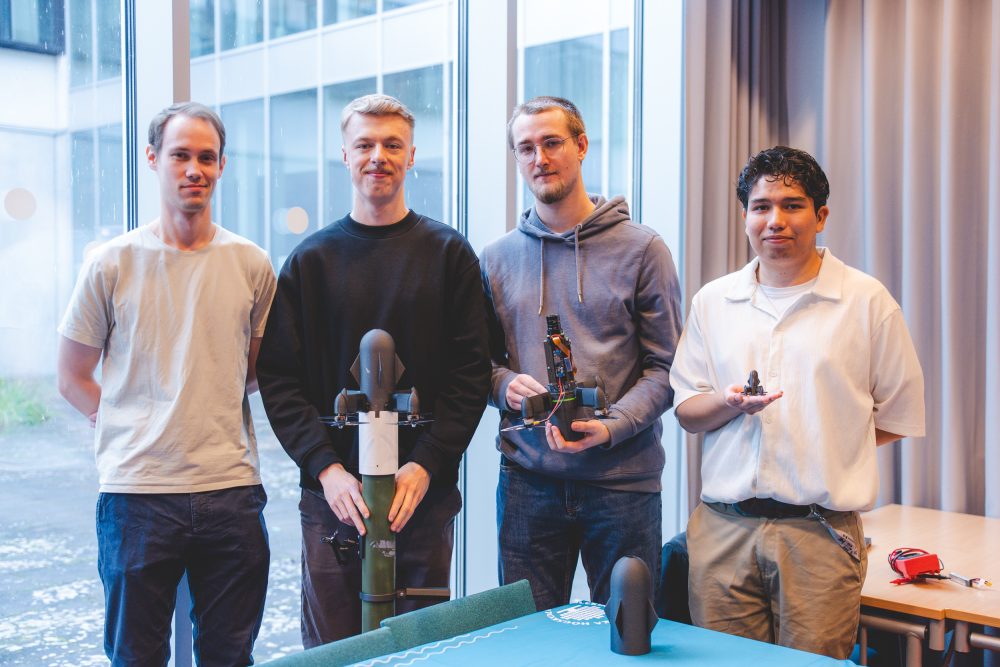
A reusable drone that can independently locate and neutralise hostile UAVs through collision. Completely autonomous, built on consumer hardware and easy to mass-produce at a low cost.
Participants: Simon Lindqvist, Tobias Gustafsson, Viktor Fransson, Alexander Alfaro
OceanSight – Navigation system robust against GNSS interference
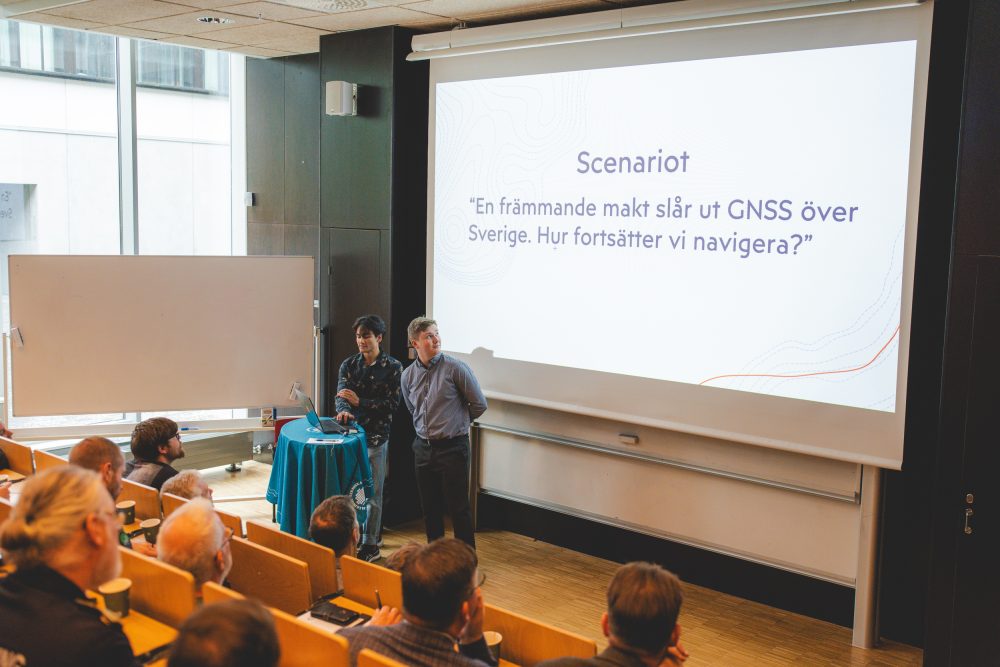
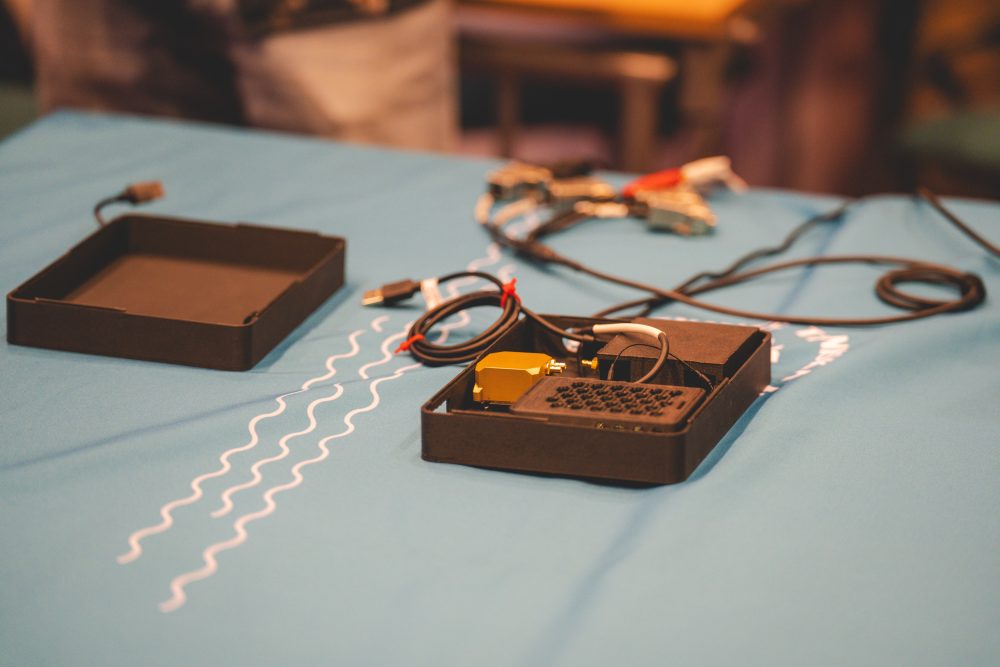
An AI-based system that combines inertial navigation with machine learning to provide accurate position even without GPS. The project has carried out tests at sea and collaborated with several actors in marine technology.
Participants: Petter Eriksson, Amin Afzali
PlutonRadar – Lightweight, software-defined radar for UAV tracking in the field
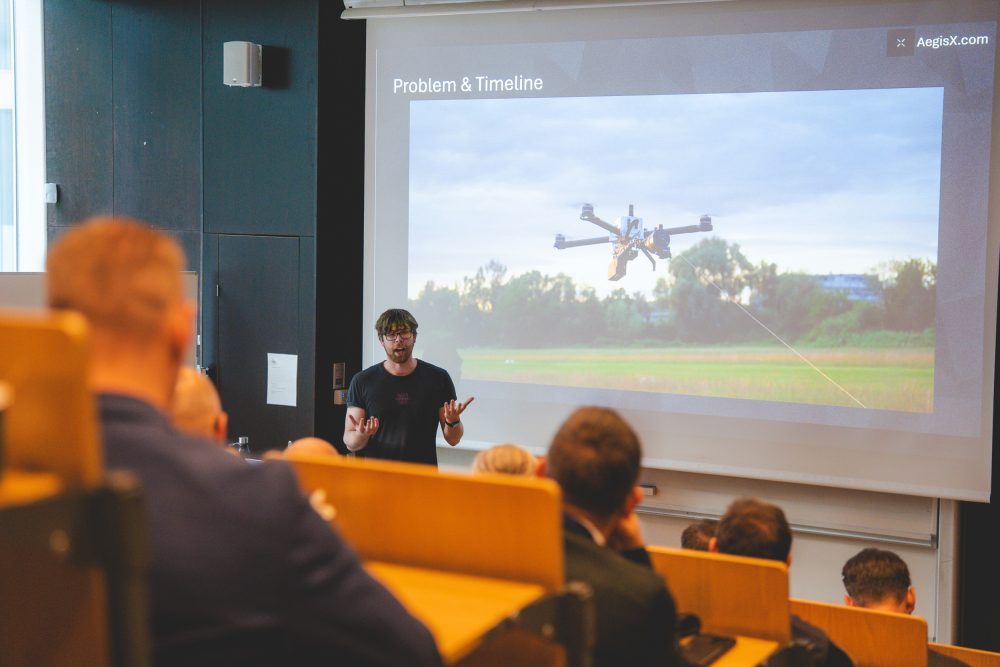
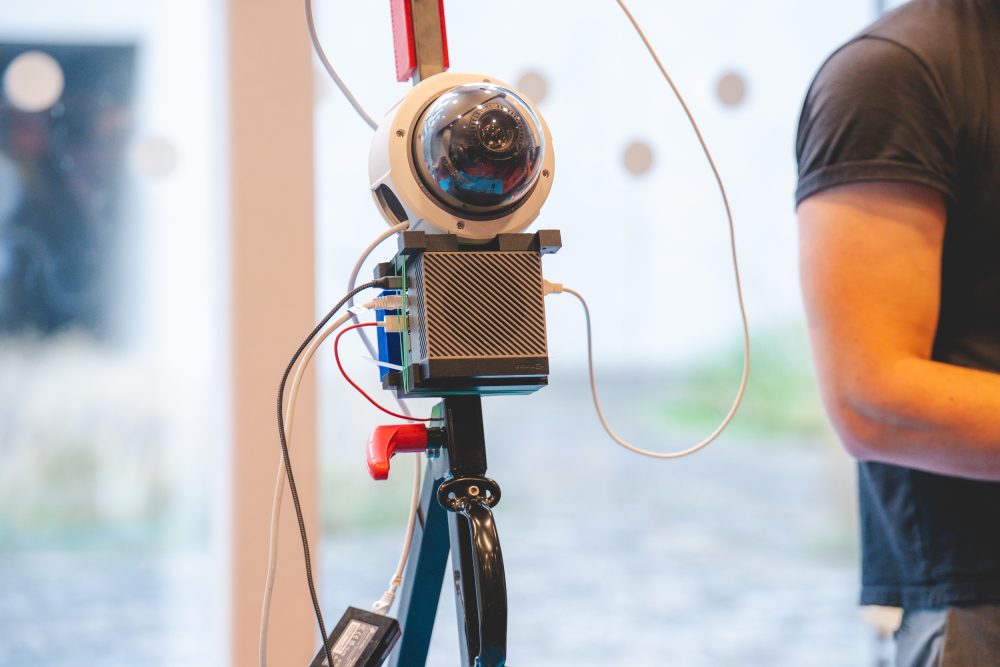
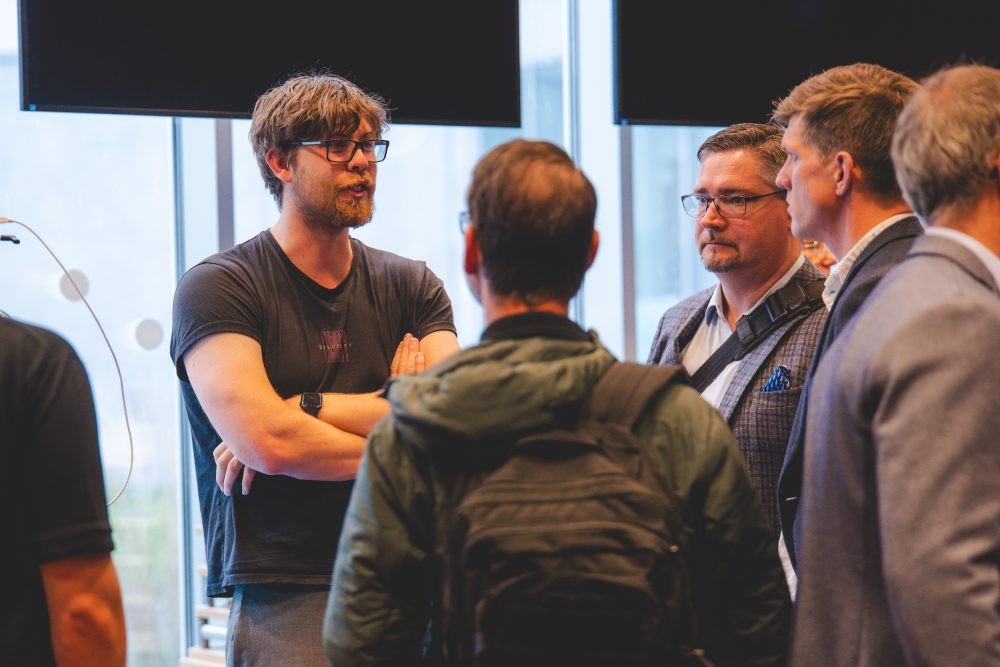
A soldier-close radar system for short-range detection of UAVs – inspired by needs from the war in Ukraine. The system is software-defined, easy to carry, easy to update and ready for front-close use.
Participant: Emil Knutsson
The exhibition part showed more initiatives from the ecosystem
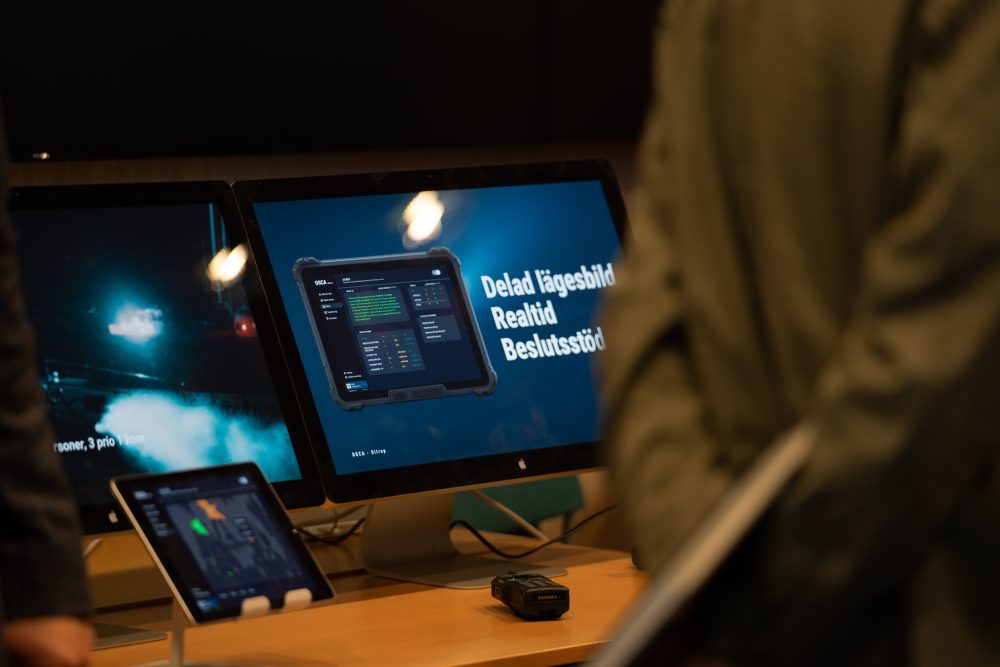
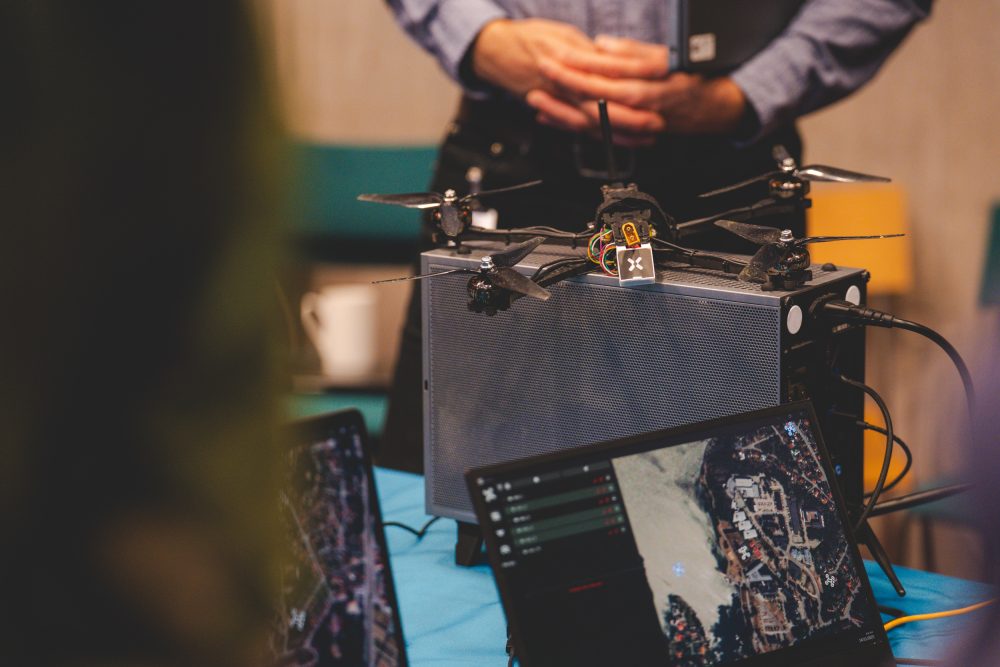
In addition to the four finalist teams, two invited initiatives also participated during the exhibition part of the final day – a way to make room for more ideas and innovations with bearing on the marine technology of the future.
The newly started company Ardenity, founded by Hugo Aronzon and Joakim Walden, presented their system OSCA – On Scene Coordinator Awareness. OSCA is a digital platform that streamlines management and coordination during sea rescue operations, with functions for real-time logging, map support and resource management. The solution builds on basic needs within both civil and military rescue services.
Also the project Icarus, developed by BTH students Samuel Lindén, Isak Rulander and Kian Bröse Brito, got to show their ongoing work. Icarus is a tool for controlling and coordinating swarms of unmanned systems – a kind of real-time controlled command interface that can be integrated with both modern drones and older ground-based systems. The project is developed completely independently, but has clear links to the defence domain and future autonomy.
– We must create a breeding ground where ideas can grow, be tested and challenged. That is the whole basis for this investment – to give students, authorities, companies and researchers a common place to meet in real problems, with real solutions.
Technology development is progressing at a furious pace, we see it every day – not least in Ukraine. New solutions can be developed, tested and put into operation in a very short time. But it also means that the opponent develops just as quickly. It is no longer enough to just have technology – we must build capacity. We must build people.
That is exactly what we do here. We give future engineers and innovators a chance to test their ideas in real contexts. And what we see growing is not just technical solutions – but a culture of collaboration, curiosity and courage.
That is how we build Swedish defence innovation. And that is why this matters, says David Appelberg, operations manager at MTC.
Next step – Student Challenge 2026
Planning is already underway for next year’s challenge. New partners are coming in, and discussions about upcoming challenge areas are being held together with both authorities and industry.
For students, it means a chance to work with real technical problems, together in teams – for real. For organisations, it is a way to test new ideas, engage future competence and contribute to socially important innovation.
Read more and about how it works here
Do you have questions or want to know more? Please contact:
Anders Ljungman, project manager for the MTC student challenge
anders.ljungman@bluesciencepark.se